Discover the Channeled Scablands

Trudy Barker • March 2, 2026

Share this article

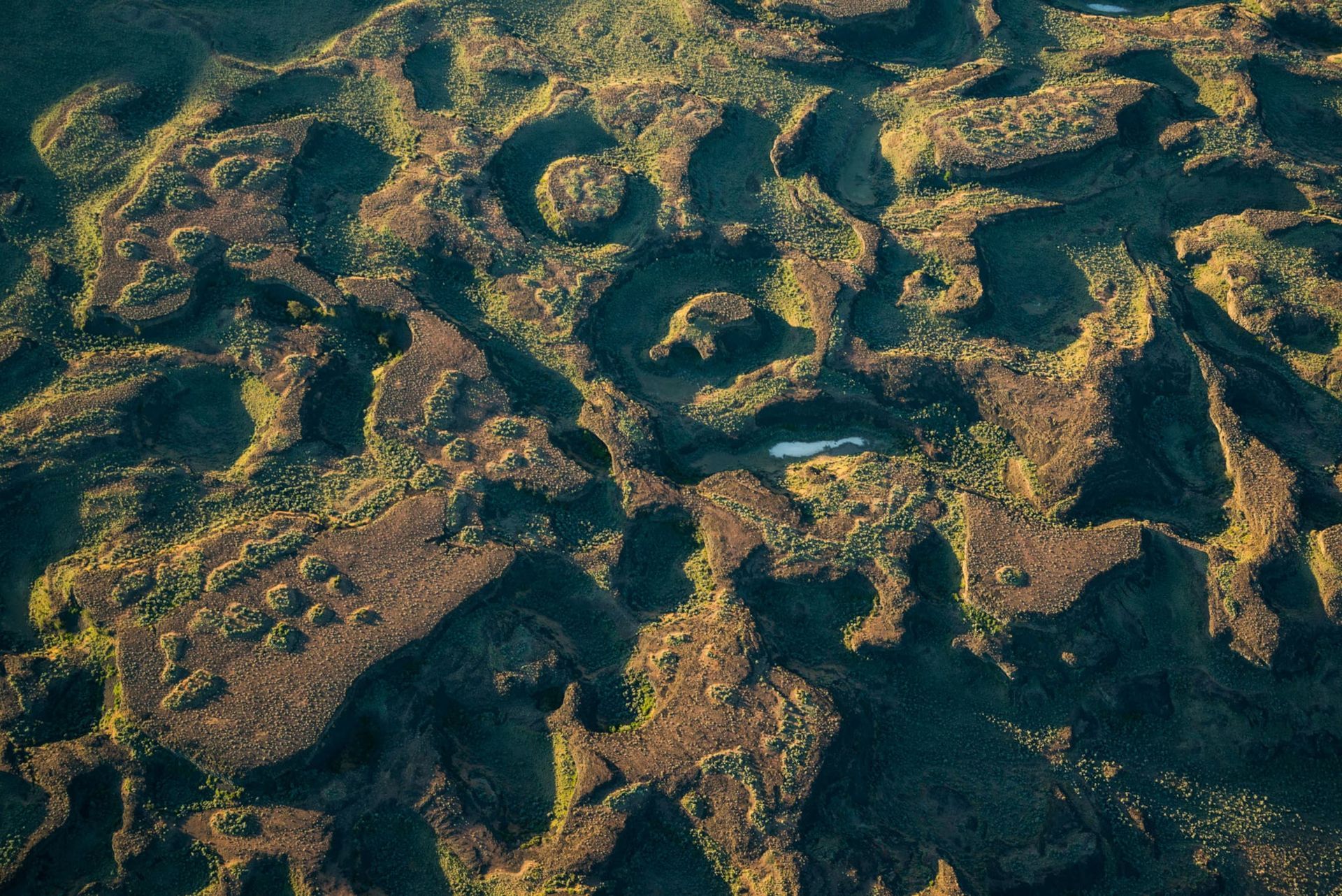
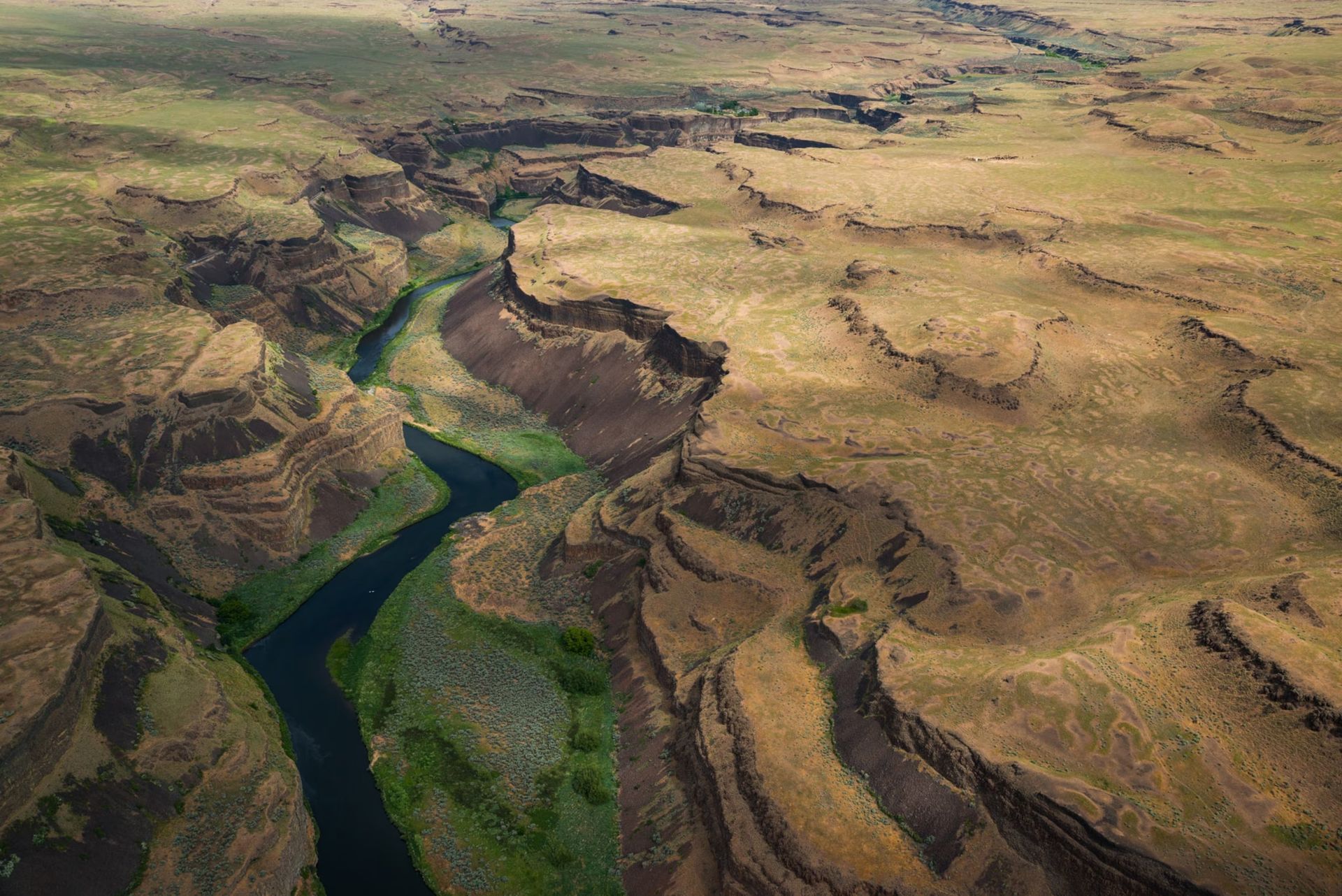
The Channeled Scablands are one of the most dramatic geological landscapes in North America. Located in eastern Washington State, this rugged terrain tells the story of massive Ice Age floods that reshaped the land thousands of years ago. The area is marked by deep valleys, towering cliffs, dry waterfalls, and giant scars that run through the land.


But here’s the twist—scientists once rejected the idea that floods created this landscape. Today, the Channeled Scablands are widely recognized as proof of catastrophic Ice Age megafloods. Let’s explore how this incredible terrain formed and why it continues to fascinate geologists and travelers to this day.

What are the Channeled Scablands?

The Channeled Scablands stretch across southeastern Washington, covering thousands of square miles. At first glance, the land looks barren and broken. Jagged basalt rock, deep channels, and dry riverbeds dominate the region.

This unusual landscape wasn’t formed slowly over millions of years. Instead, it was carved rapidly by enormous floods during the last Ice Age—around 15,000 to 18,000 years ago.


Definition and Geological Classification

The word “scabland” refers to areas where topsoil has been stripped away, exposing bare basalt rock underneath. Geologists classify this area as a flood-carved basalt plateau. Unlike typical river valleys, which form gradually, this terrain was sculpted suddenly by high-velocity water.


Location in Eastern Washington

The Channeled Scablands are located in eastern Washington State, primarily between Spokane and the Columbia River Basin. The region includes:

  • Deep coulees (steep-sided channels)
  • Dry cataracts (waterfalls without water)
  • Scoured rock surfacesGravel bars and giant ripple formations

The Ice Age Flood Theory Behind the Channeled Scablands

During the last Ice Age, a massive ice dam blocked the Clark Fork River in present-day Montana. This created Glacial Lake Missoula, a lake larger than Lake Erie and Lake Ontario combined. Over time, pressure built up behind the ice dam. When the dam finally failed, enormous amounts of water surged across the Pacific Northwest.


These massive megafloods were powerful and rushed at speeds up to 60 miles per hour. Scientists estimate that as much as 10 times the combined flow of all modern rivers poured across eastern Washington. The floods occurred multiple times over thousands of years, each time reshaping the land further. The Channeled Scablands are the scars left behind.

Scientific Controversy and Acceptance

When geologist J. Harlen Bretz first proposed the flood theory in the 1920s, many scientists rejected it. They believed gradual erosion shaped the land.


However, decades of research, aerial photography, and field evidence eventually confirmed Bretz’s theory. By the 1970s, the scientific community widely accepted the Ice Age flood explanation. This shift marked a major moment in geological science.

Geological Features of the Channeled Scablands

The landscape of the Channeled Scablands is filled with striking features that reveal its turbulent past.


Coulees and Dry Waterfalls

Coulees are deep, steep-sided channels carved by fast-moving water. One of the most famous is Grand Coulee, a massive canyon that now sits mostly dry.

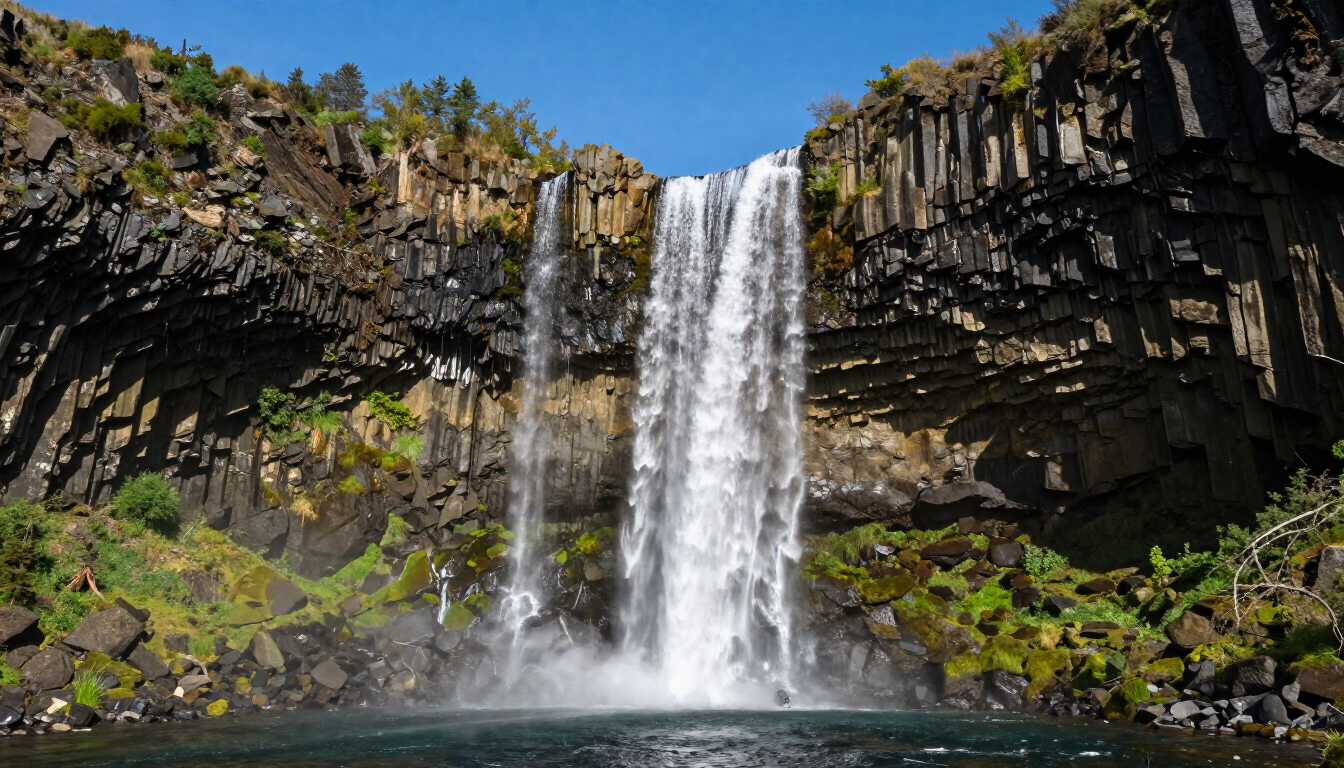
Dry Falls is another spectacular feature. At one time, this waterfall was five times wider than Niagara Falls and carried far more water. Today, it stands silent—but its scale remains breathtaking.


Basalt Formations

The Channeled Scablands are built on layers of basalt formed by ancient lava flows millions of years before the floods. When the megafloods hit, they stripped away soil and carved directly into this volcanic rock. The result? Sheer cliffs, jagged outcrops, and dramatic rock walls that still stand today.


Giant Ripple Marks

One of the most convincing pieces of evidence for massive flooding is the presence of giant ripple marks. These ripples are not small. Some are up to 50 feet high and hundreds of feet apart. Such enormous ripples could only have formed under extremely powerful water flow.

Flora and Fauna of the Region

Despite its rugged appearance, the Channeled Scablands support a wide variety of life. The semi-arid climate allows for:

  • Sagebrush
  • Wildflowers in spring
  • Mule deer
  • Raptors such as hawks and eagles

Seasonal lakes formed in flood-carved basins also attract migratory birds.

Key Locations to Visit in the Channeled Scablands

If you want to experience this geological wonder firsthand, here are a few places to visit:

  • Dry Falls – A massive ancient waterfall
  • Palouse Falls – A dramatic waterfall still active today
  • Grand Coulee – A sweeping canyon carved by floodwaters

These sites offer hiking, photography, and opportunities to learn more about the fascinating geography.

Recreational Opportunities

The Channeled Scablands are perfect for outdoor enthusiasts. Popular activities include:

  • Hiking scenic trails
  • Wildlife photography
  • Kayaking in seasonal lakes
  • Scenic drives through coulees

Spring and early summer are the best times to visit when wildflowers bloom and temperatures are mild.

FAQs About Channeled Scablands

1. How were the Channeled Scablands formed?

They were formed by massive Ice Age megafloods caused by the collapse of an ice dam holding back Glacial Lake Missoula.


2. When did the floods occur?

The floods occurred approximately 15,000 to 18,000 years ago during the last Ice Age.


3. Why are they called “scablands”?

The term refers to land stripped of soil, leaving exposed rock surfaces.


4. Can you visit the Channeled Scablands?

Yes, several state parks and viewpoints allow public access.


5. Are the floods likely to happen again?

No, the specific conditions that created the Ice Age megafloods no longer exist.


6. Why are the Channeled Scablands important?

They provide crucial evidence of catastrophic geological processes and changed scientific thinking about landscape formation.

Stay at The Parkway RV Resort

The Channeled Scablands are a breathtaking reminder of nature’s incredible power. Carved by some of the largest floods in Earth’s history, this dramatic landscape tells a story of ice, water, and transformation that still amazes scientists to this day. From giant ripple marks to towering basalt cliffs and sweeping coulees, every feature reveals clues about a violent yet fascinating past.


And if you’re planning a visit, why not turn your exploration into a relaxing getaway? After a day of hiking coulees and photographing ancient flood-carved terrain, unwind at Fishtrap Lake Resort. Located in the heart of scabland country, we provide comfortable accommodations, peaceful lake views, and easy access to some of the best things to do in the area.


Book your stay at Fishtrap Lake Resort and turn your geological journey into a memorable getaway.

Recent Posts

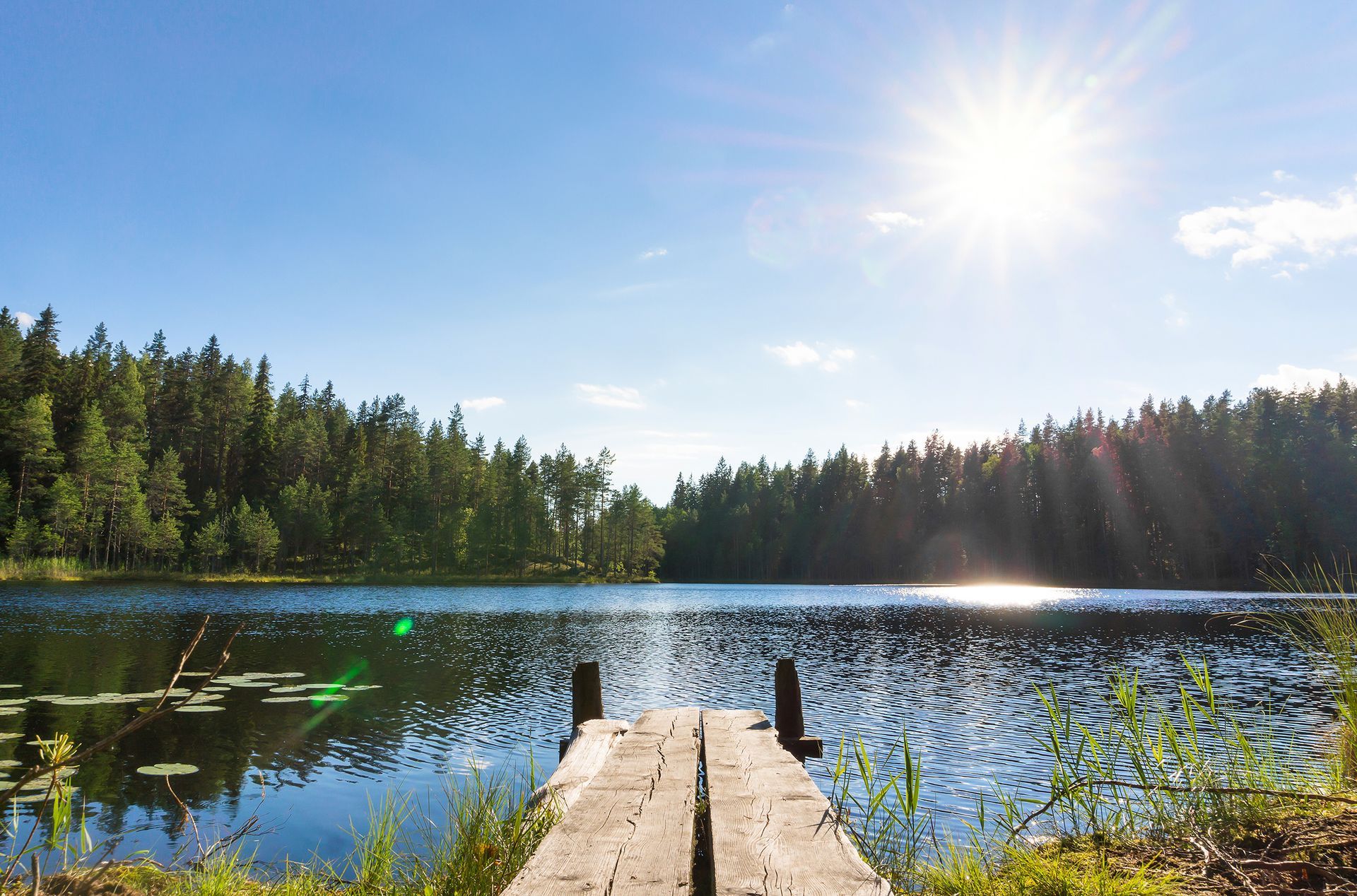
Wooden dock extends into a calm lake, surrounded by green trees under a bright sun.
By Trudy Barker February 9, 2026
Plan the perfect day at Fishtrap Lake near Sprague, WA. Enjoy morning kayaking, scenic hikes, trout fishing, and relaxing lakeside activities.

Three people jumping into water from a wooden dock, creating a large splash; sunny setting.
By Trudy Barker December 30, 2025
From fishing on our dock to enjoying nights by the fire, a stay at Fishtrap Lake Resort is one you won’t soon forget. Enjoy the best of Eastern Washington.